When we burn out, we tend to blame ourselves. We decide we are weak, lazy, or simply not built for the pace everyone else seems to manage. But the world's leading health body looked at burnout and located the cause somewhere very different, in the conditions we work under, not in our character.
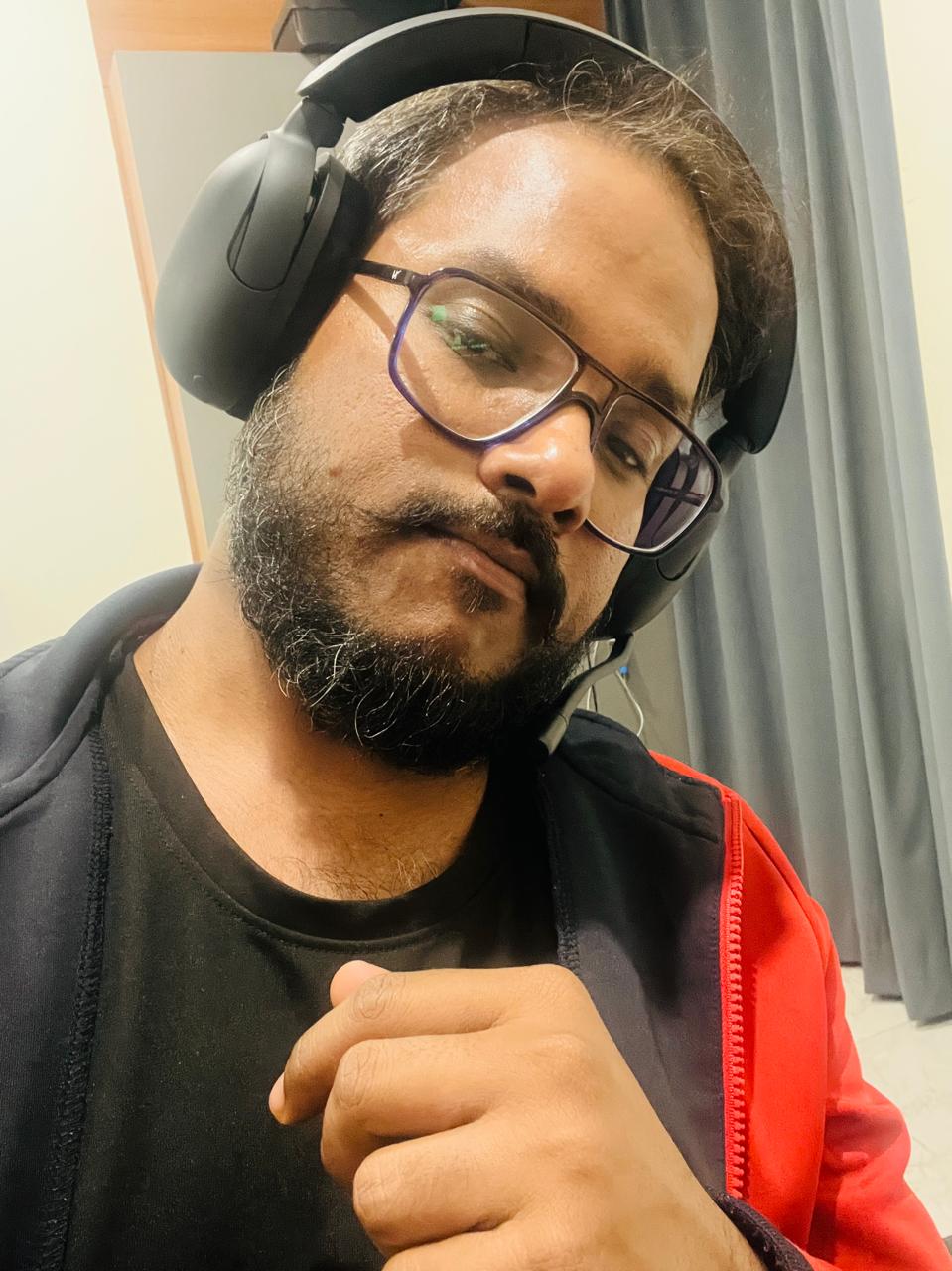
Avik
Podcast Network Founder | Healthy Mind by Avik™ | Podcaster | Writer | Techie

If you are running on empty, this reframe matters. The problem may not be you.
How the WHO defines burnout
In 2019 the WHO included burnout in its International Classification of Diseases as an occupational phenomenon, resulting from chronic workplace stress that has not been successfully managed. Notice the word workplace. The definition points at the situation, not a flaw in the person.
It describes three signs, energy depletion or exhaustion, growing mental distance or cynicism about your job, and a drop in your sense of effectiveness. If those sound familiar, you are reading your own experience in clinical language.
Why the framing changes everything
Calling burnout an occupational phenomenon shifts the question from what is wrong with me to what is wrong with the conditions I am in. That is not an excuse, it is accuracy. You can be a capable, committed person and still burn out in an environment that asks for more than any human can sustain.
Self-blame keeps you stuck. Seeing the real cause is what lets you change it.
Responding without more hustle
The answer to burnout is rarely to push harder, that is what caused it. It is to restore recovery, boundaries, and meaning, the things chronic overwork strips away. Protect real rest, not just collapse. Reclaim small choices over your time. Reconnect to why the work mattered before it drained you.
And where the environment itself is the problem, the bravest move is sometimes to change the environment, not to keep adapting to the unsustainable.
If you are running empty
Name it accurately, burnout comes from conditions, not weakness.
Restore recovery and boundaries instead of pushing harder.
Where the environment is the real cause, consider changing it, not just enduring it.
Burnout is a signal that something around you is unsustainable, not proof that something inside you is broken. Treat it as information, and let it guide changes to your conditions, not just your willpower. This is general awareness, not clinical advice. If exhaustion is affecting your health, please reach out to a professional or someone you trust.
Sources
• WHO, Burn-out an occupational phenomenon: ICD-11 (28 May 2019)
• American Medical Association, WHO adds burnout to ICD-11, what it means
Healthy Mind by Avik, founded by Avik Chakraborty. A global mental wellness platform and podcast network. 21 shows, 6,500+ episodes, 200K+ downloads, a global audience.